

Understanding Osteoarthritis
and the Therapeutic Role of Hyaluronic Acid in Pain Management
Overview of Osteoarthritis (OA)
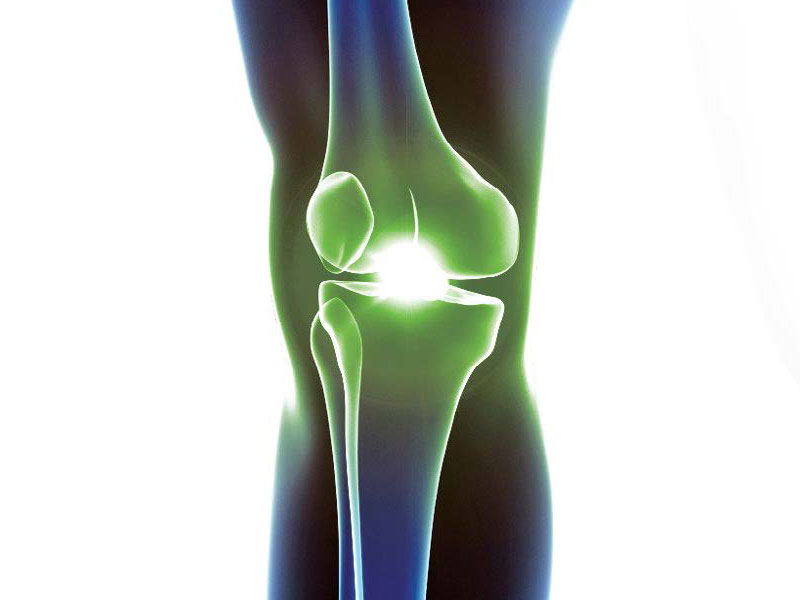
Osteoarthritis (OA) is the most prevalent form of arthritis, affecting over 32 million adults in the United States.1 It is a progressive, degenerative joint disorder characterized by structural and biochemical changes involving the entire joint complex, including articular cartilage, subchondral bone, ligaments, synovium, and periarticular musculature.
While historically described as a “wear and tear” condition, OA is now understood to be a complex, multifactorial disease involving chronic low-grade inflammation, mechanical overload (too much joint stress), and dysregulated cellular signaling (improper communication between joint cells) that causes the cartilage to breakdown. Commonly affected joints include the knees, hips, shoulders, spine, and hands, with symptoms such as activity-related pain, morning stiffness, crepitus (cracking or grinding), and limited function.
Pain Management in OA
Effective pain management in osteoarthritis (OA) is essential not only for improving patient comfort but also for preserving mobility, physical function, and mitigating comorbid risks such as obesity, cardiovascular disease, and depression. Conventional over the counter and prescription treatment approaches include acetaminophen, NSAIDs, and corticosteroid injections, while interventions such as physical therapy and weight management may also be recommended.
When conservative approaches are no longer effective, alternative non-surgical treatment options may be beneficial, such as injections with hyaluronic acid (HA) as well as combination injections that include hyaluronic acid with a steroid.
What is Hyaluronic Acid (HA)
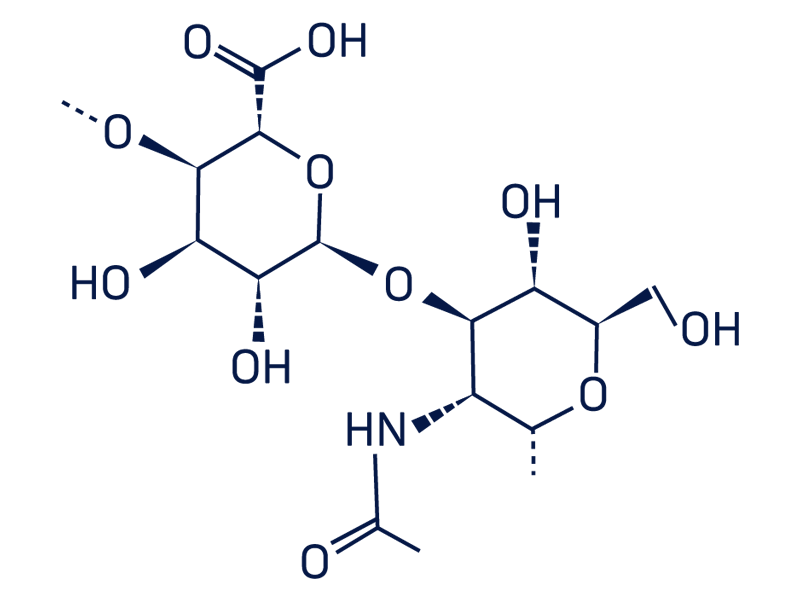
Hyaluronic acid (HA) is a naturally occurring biopolymer found throughout the human body, particularly in connective tissues and joint structures. Within the extracellular matrix (ECM), HA plays a critical role in maintaining tissue hydration, elasticity, cellular signaling, and structural integrity. In healthy joints, HA is a key component of synovial fluid, which acts as a lubricant and shock absorber, allowing smooth and pain-free movement.
When osteoarthritis (OA) is present, the volume, concentration and quality (molecular integrity) of natural (endogenous) HA in the joint decrease, leading to increased friction, inflammation, and pain.2
HA Injections for OA Pain Management
Intra-articular HA injections aim to restore the properties of synovial fluid by:
- Restoring joint lubrication, cushioning, and shock absorption to help the joint move more smoothly, while also reducing friction and wear to protect the joint during impact
- Reducing pain and stiffness by improving joint function, lowering inflammation-causing chemicals, and decreasing pain signals for better mobility
- Stimulating natural HA creation to help protect cartilage and slow down degenerative changes while supporting joint health
- Reducing inflammation and providing rapid and long-lasting pain relief when combined with a corticosteroid
Clinical trials have demonstrated that HA injections can provide meaningful pain relief and functional improvement, particularly in patients with mild to moderate OA (Kellgren-Lawrence grades II–III). They are an ideal non-surgical option for managing OA symptoms, particularly for patients who have not found sufficient relief from oral medications or physical therapy.
Our Hyaluronic Acid Injection Treatments
Our osteoarthritis (OA) pain management injections are all naturally derived from non-avian sourced, high molecular weight hyaluronic acid (HA).

Combination HA Treatments
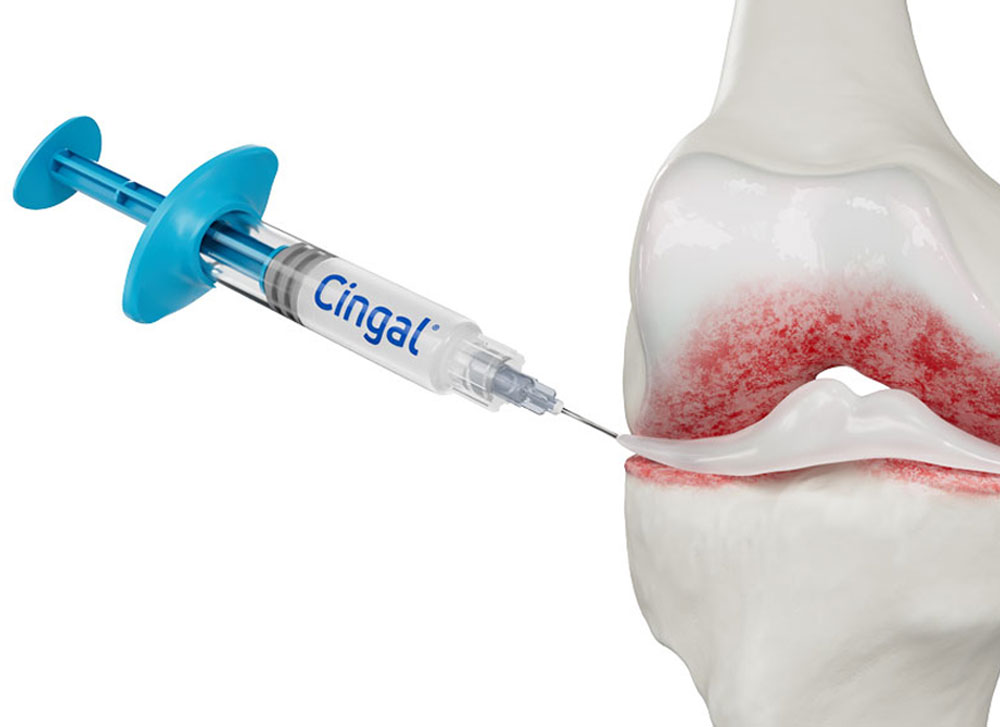
Cingal®: A next generation, non-opioid, single injection that combines our high molecular weight, cross-linked HA (Monovisc®) with triamcinolone hexacetonide (TH) corticosteroid for rapid and sustained pain relief through at least 6 months. This innovative formulation represents the next generation in HA-based therapy.
HA Only Treatment
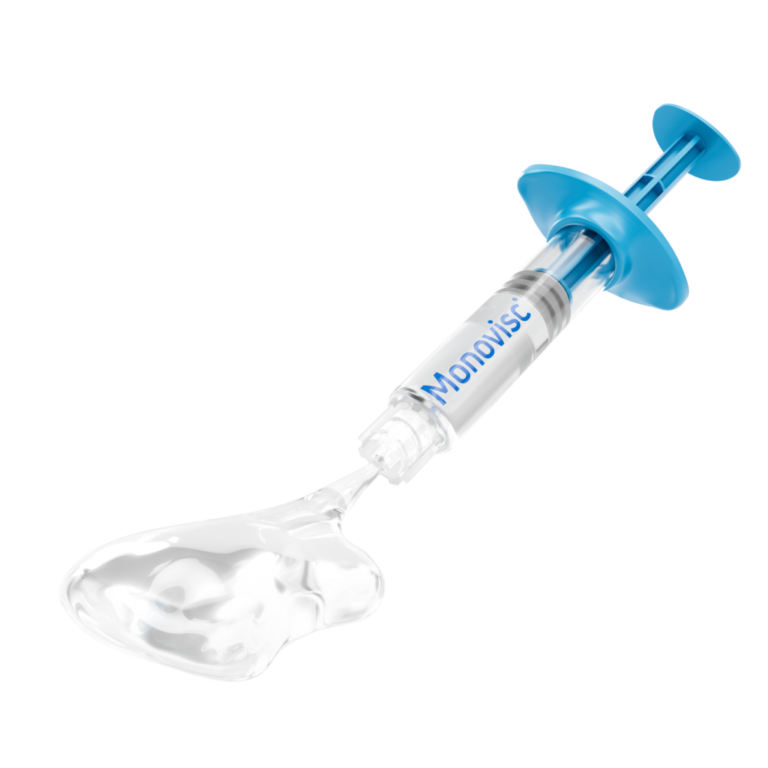
- Monovisc®: A single-injection, high molecular weight, cross-linked HA
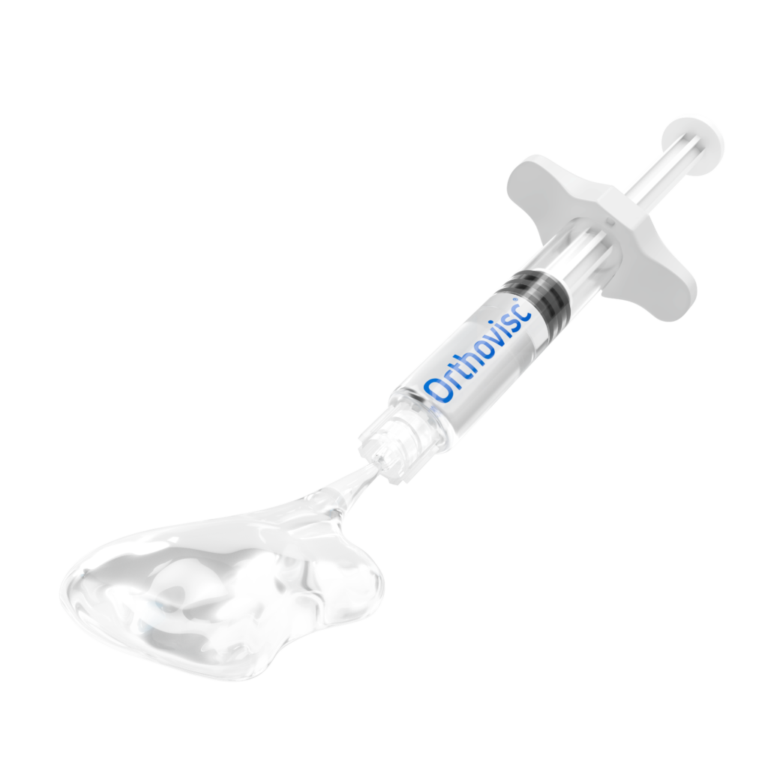
HA Only Treatment
Orthovisc®: A multi-injection, high molecular weight HA formulation
Hyaluronic acid-based injections and viscosupplementation treatments represent a valuable approach to the management of pain and symptoms of osteoarthritis. The favorable safety profile, targeted mechanism of action, duration of relief, and potential for delaying surgical intervention make HA injections a compelling option in personalized osteoarthritis care.