The days are getting longer, the temperatures are finally cooperating, and if you listen closely, you can almost hear the outdoors calling your name. Spring has a way of making movement feel less like a chore and more like an invitation, and if you’ve been managing joint pain or recovering from an orthopedic procedure, that invitation is worth accepting.
Staying active matters year-round, but spring offers something genuinely useful: a change of scenery, better conditions underfoot, and a natural motivation boost that’s hard to manufacture in February. Your joints were designed to move, and consistent, low-impact movement is one of the most important things you can do to support them. So dust off your sneakers. It’s time.
Why Keeping Your Joints Moving Matters
Joints need movement to stay healthy. The cartilage inside your joints doesn’t have its own blood supply. It gets the nutrients it needs through the compression and release that happens when you move. Staying sedentary for long stretches can leave joints feeling stiff, achy, and harder to get going again.
Regular, gentle movement helps keep the surrounding muscles strong, which takes load off the joint itself, supports circulation, and keeps you feeling more like yourself. You don’t need to run a 5K to get the benefit. Consistent, moderate activity is the goal, and spring makes hitting that goal a lot more enjoyable.
Spring Activities Worth Trying
The best activity is the one you’ll actually do. Here are some options that are easy to ease into, gentle on joints, and genuinely enjoyable when the weather plays along:
Walking
It’s the most underrated form of exercise there is. Walking is low-impact, infinitely scalable, and requires zero equipment beyond a decent pair of shoes. Start with a 15-minute loop around the neighborhood and build from there. Bonus points if you find a trail, a park path, or anywhere with a view that makes you want to keep going.
Cycling
Bike riding is a natural fit for people managing joint concerns, particularly in the knees and hips. The circular motion keeps joints moving through their range without the impact of ground-striking activities. Whether you’re on a road bike, a cruiser, or an e-bike that gives you a little assist on the hills, get out and pedal. Your joints will thank you.
Swimming and Aquatic Exercise
Water is one of the most joint-friendly environments you can exercise in. The buoyancy reduces the load on weight-bearing joints while still letting you build strength and get your heart rate up. If lap swimming sounds boring, try a water aerobics class. They tend to be more fun than their reputation suggests, and the resistance of the water works your whole body.
Gardening
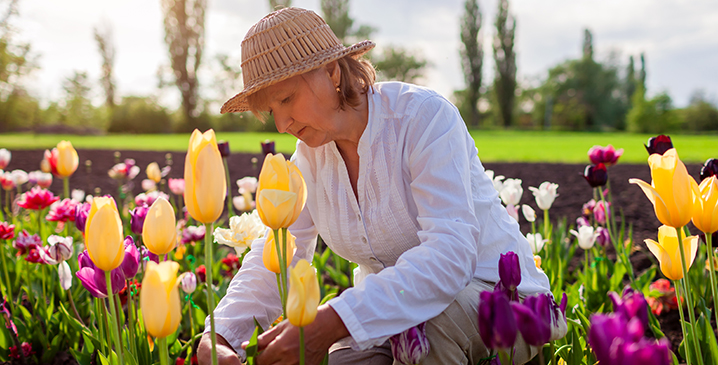
Don’t underestimate a few hours in the garden. Digging, planting, weeding, and hauling bags of mulch add up to a real workout, and there’s something genuinely satisfying about having something to show for it afterward. Use knee pads, take breaks, and mix in some standing tasks to keep from staying in one position too long.
Outdoor Yoga and Stretching
Take your stretching routine outside. A yoga mat on the back deck or a quiet corner of the park is a different experience than a studio or living room floor. Gentle yoga and mobility work are excellent for maintaining range of motion and supporting the muscles around your joints. Many communities offer free or low-cost outdoor yoga sessions in spring and summer, so it’s worth a search.
Tai Chi
Tai chi is slow, deliberate, and surprisingly effective. The flowing movements work on balance, coordination, and joint mobility without any impact at all. It’s practiced outdoors in parks across the world for good reason. It was basically made for spring mornings. Many senior and community centers offer beginner classes if you’re not sure where to start.
Nature Walks and Birdwatching
If the idea of “exercise” feels like too much pressure right now, reframe it. Go for a walk with a purpose. Bring binoculars, take photos, look for birds or wildflowers. Spring migration is one of the most active times of year for birdwatching, and a slow stroll through a local nature area counts as movement. The goal is to get outside and keep things interesting.
Staying Health and Safe
If you’ve had a recent procedure or are managing an ongoing joint condition, always check with your physician or physical therapist before starting or significantly ramping up activity. They can help you identify which activities make the most sense for where you are in your recovery, and which ones to hold off on a little longer.
Listen to your body. Some discomfort when you start moving again is normal, but sharp pain is not. Warm up before you head out, cool down when you’re done, and give yourself permission to start smaller than you think you need to. Building a consistent routine over a few weeks is worth more than one big burst of activity followed by a week on the couch.
Get Outside and Keep Moving
Spring doesn’t last forever, and neither does the motivation that comes with it. Take advantage of the season while it’s here. Pick one activity from the list above, put it on the calendar this week, and go. Your joints and your mood will be better for it.