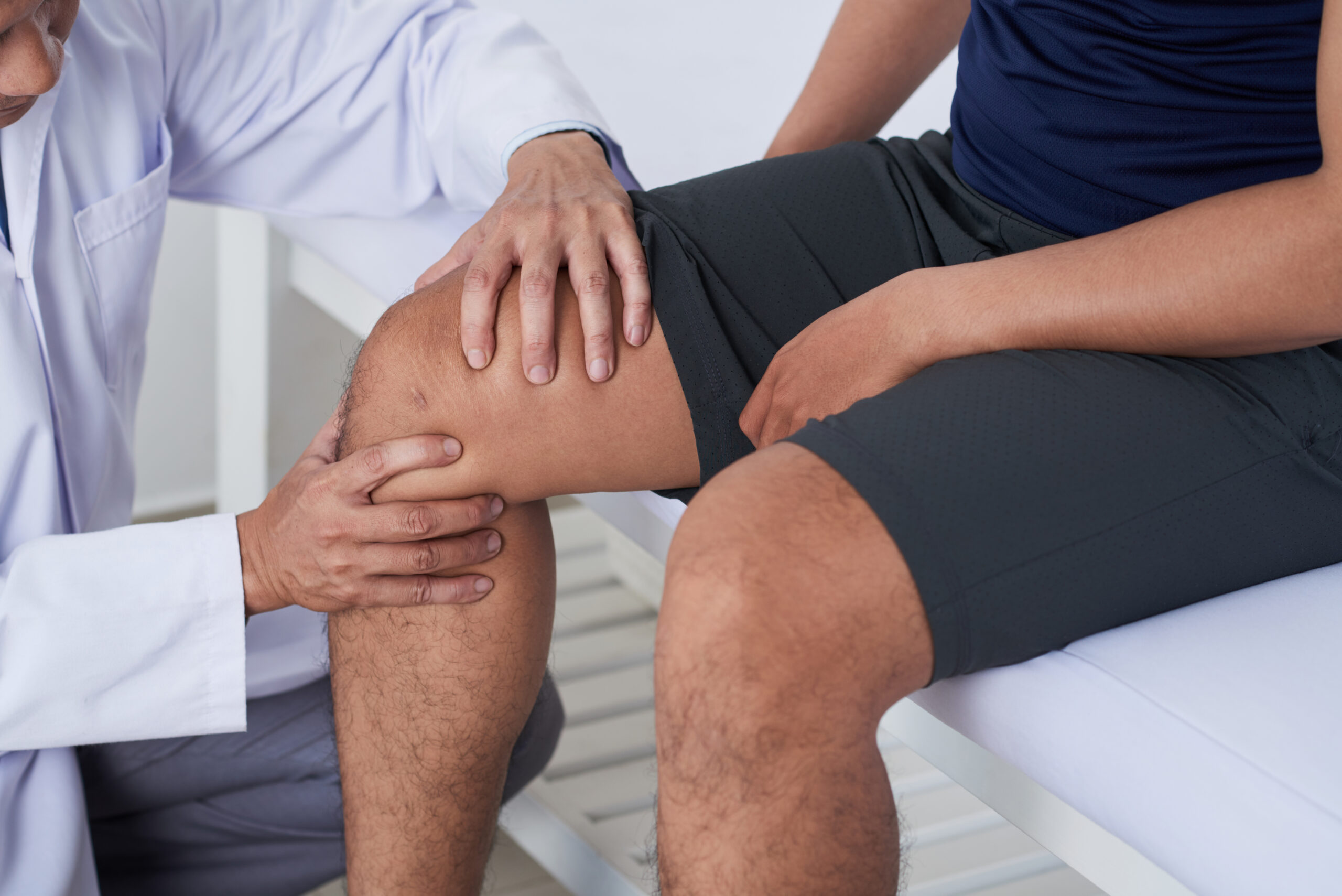
When our knees start to ache, the whole day can be derailed. Walking, exercising, standing for work, taking care of loved ones, no matter your day-to-day, knee pain will slow you down. The pain can be for a variety of reasons, so we recommend seeing your doctor for a diagnosis.
If you suspect, or have been diagnosed with knee cartilage damage, we can shed some light on the situation. It will be helpful to understand what that tissue does before you sort through treatment options.
What does cartilage do in your knee?
Cartilage is the smooth, glossy white tissue that covers the ends of bones. In the knee, it allows the thigh bone and shin bone to move smoothly against each other while helping cushion the joint from impact. Every step, squat, or jog places force on the knee, and cartilage helps absorb much of that stress. When your cartilage is healthy, this movement typically occurs without pain or discomfort.
Can knee cartilage injuries heal by themselves?
Not very well, unfortunately. Cartilage has a limited ability to heal because it lacks its own blood supply. Without direct access to the cells and nutrients involved in tissue repair, damaged cartilage often remains damaged and may continue to wear down over time. This on-going breakdown can contribute to pain, swelling, stiffness, and eventually osteoarthritis.
What causes cartilage damage in the knee?
Cartilage injuries can happen for a variety of reasons, from a sudden injury to years of everyday wear-and-tear. For example, they can result from a sudden twist during sports, a fall on a hard surface, or years of working in positions that place repeated pressure on the knees. Body weight may also contribute, as the knees absorb several times a person’s weight with each step, placing extra pressure on the joint over time.
Symptoms of knee cartilage damage
Several symptoms may indicate a knee problem, including pain when bending the knee or using stairs, whether going up or down. Other signs include swelling after activity, stiffness after sitting for an extended period, or a catching or locking sensation within the joint.
These symptoms do not necessarily confirm cartilage damage, and many cases of knee pain are caused by minor issues. However, it is still important to discuss them all with your doctor. Knee problems are often easier to address when identified early.
Where hyaluronic acid comes in
Hyaluronic acid is a substance your body naturally produces. While it’s well known for helping keep skin hydrated, it also plays an important role inside your joints.
In the knee, hyaluronic acid is found in the joint fluid, where it acts like a natural lubricant and shock absorber. Think of it as oil in a hinge, helping the joint move smoothly while reducing friction between the bones. Healthy levels of hyaluronic acid support comfortable movement and help cushion the knee during everyday activities like walking, climbing stairs, and exercising.
Knee cartilage repair: how treatment supports healing
Because cartilage cannot rebuild itself without support, researchers have spent years developing treatments designed to assist the healing process. This area of medicine is known as regenerative medicine. It focuses on supporting the body’s ability to repair damaged tissue rather than only managing symptoms.
Hyalofast* is one example. It is a hyaluronic acid-based scaffold that a surgeon places directly at the site of cartilage damage. The scaffold provides a framework that helps the body’s own healing cells move into the damaged area and start repairing the tissue. By supporting these cells and providing a structure for them to grow within, Hyalofast helps the body’s natural healing response. As healing progresses, the scaffold is gradually absorbed by the body.
How to protect your knees
Several habits can help protect knee health at any age. Strong thigh muscles, including those at the front and back of the leg, can reduce pressure on the knee joint. Regular strengthening exercises can help keep these muscles working effectively.
It is also important to warm up before physical activity, maintain a healthy weight when possible, and avoid pushing through persistent knee pain. Pain can be an important sign that something is wrong. Addressing a problem early may provide you and your doctor with more treatment options.
If you are experiencing ongoing knee discomfort, schedule an appointment with an orthopedic doctor who specializes in bones and joints. A specialist can determine the cause of your symptoms and recommend appropriate next steps.
*Not available in the U.S.