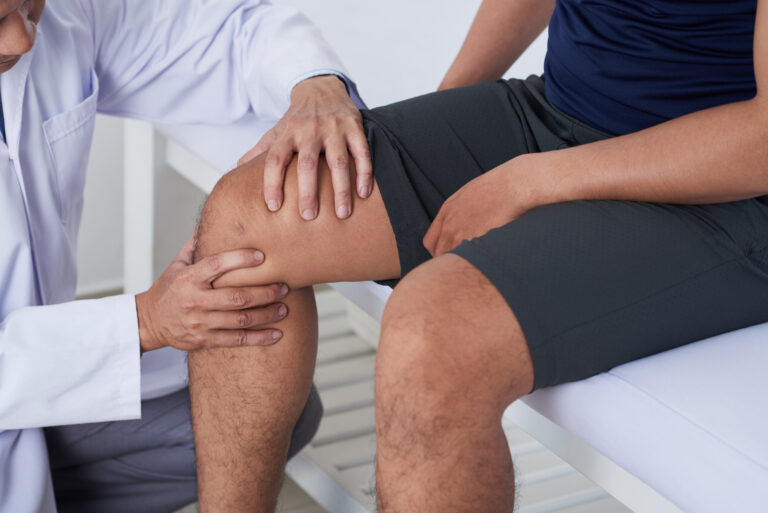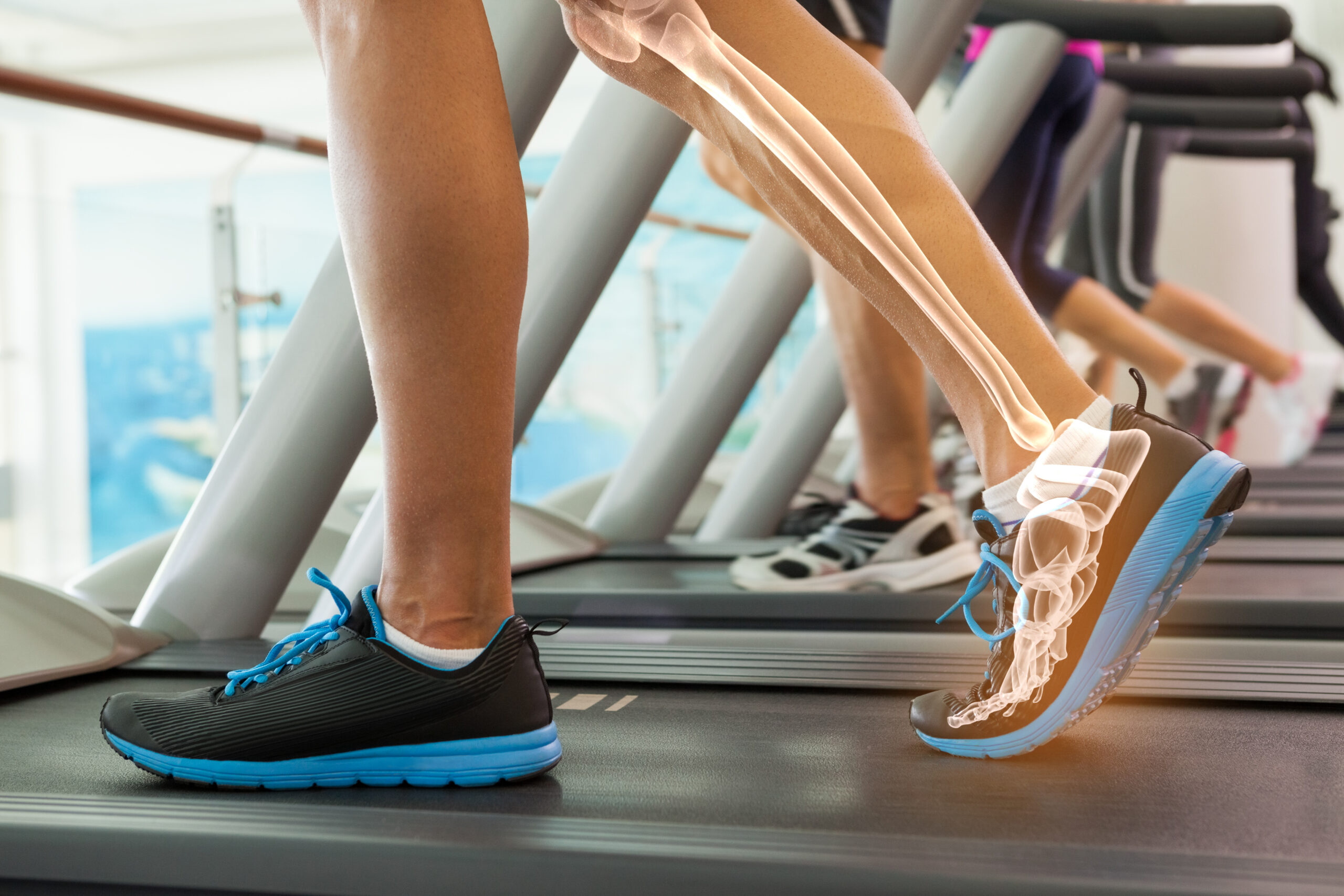
We often joke about our bones becoming creaky as we grow older due to decades of walking, bending, lifting, and moving adding up. So, it makes sense that your joints don’t feel like they did in your younger years. It’s natural wear and tear on your body.
A joint is just two bones meeting. Knee, shoulder, hip, doesn’t matter which one. The problem that your body must solve is to keep those bones from grinding against each other every time you move, over days, months, and years.
Cartilage is the perfect solution. It covers the ends of the bones. It’s smooth and a little squishy, sort of like a rubber cap on a chair leg that keeps it from scratching the floor. There’s also fluid that fills the joint space so bones glide instead of grind.
Ligaments hold the bones to each other. Think sturdy straps, keeping the joint from wobbling side to side. Tendons do something different. They connect muscle to bone, and that connection is the whole reason flexing a muscle causes movement.
Every time you move, cartilage cushions the impact, fluid keeps things slick, ligaments keep the joint stable, and tendons turn muscle power into motion. When one part wears down, the rest work harder to cover it.
Why Cartilage Doesn’t Bounce Back
Here’s the part most people don’t know. Cartilage has no blood supply.¹ None. Most tissue in your body heals by sending blood straight to the injury, repair cells and nutrients included. Cartilage can’t do that. It’s stuck getting nutrition from joint fluid soaking in as you move, which is slow, and not exactly efficient.
So once cartilage wears down, there’s no repair crew showing up. It doesn’t grow back the way a cut on your skin closes up. This is one of those cases where prevention matters more than treatment, because once damage happens, the options are limited.
Why Tendons Take Longer to Heal with Age
Tendons age differently than cartilage, but you end up in a similar place: slower healing.
The tissue inside a tendon doesn’t replace itself very often. The same cells and fibers can stay there for years, even decades.² As we get older, the cells responsible for maintaining tendon tissue become less active. At the same time, the fibers in the tendon slowly change, forming more connections, called cross-links. In simple terms, this makes the tendon stiffer, less flexible, and more likely to tear.
None of that means a tendon is doomed. It means an injury that healed in a couple months at age 30 might take longer at age 60 and sometimes needs more help getting there.
Movement Is Still the Best Medicine
It may be surprising to you, but less movement is usually worse for aging joints, not better. Cartilage gets its nutrients from the fluid that moves through the joint during activity.3 Stay still too long, and that joint stiffens up due to the lack of nutrients. Keep moving, even gently, and you’re feeding the tissues that need it most.
Low-impact activities like walking, swimming, and cycling let you stay active without hammering your joints like higher-impact sports. Strength training and proper stretching matter just as much. Strong muscles around a joint take pressure off the joint itself, which is one of the simplest ways to protect cartilage that’s already under strain.
Signs It’s Worth a Doctor’s Visit
Most day-to-day stiffness isn’t a big deal. A few things are worth getting checked out, though, rather than waiting and hoping they pass:
- Pain or swelling that sticks around for more than a few days
- Morning stiffness that takes 30 to 60 minutes or longer to loosen up
- A joint that feels unstable, locks up, or has lost a noticeable amount of range of motion
- Pain that’s started messing with basic stuff, like climbing stairs or getting out of a chair
If any of that sounds familiar, it’s worth asking your doctor what’s going on.
Regenerative Medicine for Joint Health
Tendon Tears
A tendon tear at age 60 doesn’t heal the way it would have at age 30. Slower-recovering tissue means healing often takes longer, and in some cases, the body needs additional support to heal well.
That’s why we’ve developed the Integrity Implant: a partially resorbable scaffold made from hyaluronic acid, or HA, a substance your body already produces. HA plays an essential role throughout your body, in everything from joint lubrication to skin hydration, so it’s something your body knows well.
Integrity is used in tendon repairs, including commonly injured tendons like the rotator cuff and Achilles tendon, and it’s designed to support your body’s natural healing process. It has a woven design that leaves space for your body’s own healing cells to move in and rebuild tendon tissue at the repair site. It’s reinforced with a medical-grade type of polyester, a material that many sutures are made of, to make it stronger so your doctor can place it in the precise location on your tendon injury.
Cartilage Injuries
For some people, the problem isn’t a torn tendon, it’s a small area of damaged cartilage, known as a “lesion” that won’t heal easily on its own. These cartilage problems are often caused by an injury, such as a sprain, or by repeated strain on the joint over time, rather than general wear and tear.
Hyalofast is an HA-based scaffold designed to support the body’s natural healing by encouraging new cartilage growth at the site of the lesion.* The goal is to help repair the damaged area, rather than simply treating the pain associated with it.
Aging Joints, Not Aging Out
Joint changes are part of getting older, but joint pain doesn’t have to keep you on the sidelines. Staying active, building strength, and knowing what options exist if an injury or wear and tear catch up with you are all part of the same goal: staying in motion for the long run.
If you’re noticing joint pain or changes in how your joints feel, talk to your doctor about what may be causing it and what can help.
*Hyalofast is not available in the United States. Integrity is available in the US and select markets outside of the United States. Anika products may not be available in all geographies. Product availability is subject to the regulatory clearances in individual markets.
References
- Arthritis Foundation. Osteoarthritis. https://www.arthritis.org/diseases/osteoarthritis
- Effect of Aging on Tendon Biology, Biomechanics and Implications for Treatment Approaches. National Library of Medicine. https://www.mdpi.com/1422-0067/24/20/15183
- Arthritis Foundation. 8 Ways Exercise Helps Your Joints. https://www.arthritis.org/health-wellness/healthy-living/physical-activity/getting-started/8-ways-exercise-helps-joints(opens in a new tab)