Many people live with joint pain for months or even years without fully understanding what’s causing it. They often blame aging, old injuries, or simply “overdoing it.” But in many cases, the real driver can be joint inflammation, which is often associated with osteoarthritis (OA).
Osteoarthritis is the most common form of arthritis worldwide and one of the leading causes of chronic joint pain. While it’s often described as the gradual wearing down of cartilage, that explanation doesn’t tell the full story. Inflammation plays a big role in how osteoarthritis develops, progresses, and feels each day.
After an injury, inflammation usually fades as healing happens. In osteoarthritis, however, inflammation can remain in the joint and quietly change how the joint works over time. This ongoing inflammatory environment is what leads many people to experience stiffness, reduced movement, and pain, slowly becoming part of daily life.
What a Healthy Joint Looks Like Before Osteoarthritis and Inflammation
To understand how osteoarthritis changes joint movement through inflammation, it helps to start with what a healthy joint is designed to do.
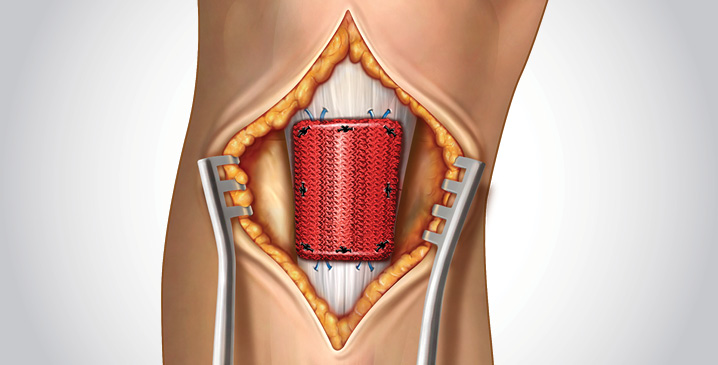
In a healthy joint:
- The ends of the bones are covered with smooth, healthy cartilage. This helps the joint move easily and without pain.
- Tendons and ligaments help hold the joint in place and keep it stable during movement.
- The joint also contains a lining that makes joint fluid. This fluid cushions the joint, helps keep it healthy, and allows smooth movement.
One of the main parts of joint fluid, known as synovial fluid, is hyaluronic acid (HA), which is naturally found in the body, especially in joints. In healthy joints, HA acts like a cushion and lubricant, helping joints move smoothly and handle daily movement.
When all these parts work together, joints can handle weight, move easily, and stay comfortable over many years. Chronic joint inflammation changes all of that.
How Chronic Joint Inflammation Increases Joint Pain
Your body uses inflammation as a repair tool. After an injury or infection, it sends inflammatory cells to the affected area to help heal it, and then your body naturally dials it back down once healing progresses. That’s the normal cycle.
With osteoarthritis, your body manages inflammation differently, usually starting before you can even feel the pain. The inflammatory cells don’t go away as quickly or ever, telling your body to stay inflamed.
When inflammation stays, your joint fluid stops doing its job as well. That means your joint loses some of its natural cushioning, and cartilage wears down faster than your body can fix it. Over time, movement starts to feel harder and more painful.
This is why OA inflammation symptoms are often:
- Worse in the morning or after times when you’re less active
- Triggered by everyday activities like walking, climbing stairs, or standing
- Described as a deep, aching discomfort rather than sharp injury pain
Doctors now consider osteoarthritis as a disease of the entire joint, not just cartilage loss.
The Link Between Joint Inflammation and Cartilage or Tendon Damage
Cartilage depends on its surrounding environment to stay healthy. Because it has no direct blood supply, it relies on synovial fluid to deliver the nutrients your joints need and removes waste. When inflammation alters that fluid, the cartilage and joint health suffer.
When cartilage gets thinner, it loses its ability to absorb impact. This means the tissues around the joint end up taking more of the load. Movements that once felt smooth can start to feel uneven. Since cartilage can’t really heal itself, each bit of wear adds to the next, creating a slow, steady buildup of damage.
Tendons and ligaments are affected too. Long-lasting inflammation can weaken them, make them less flexible, and increase the risk of small injuries. This can cause discomfort when moving and make other joints work harder.
Put cartilage damage and tendon damage together, and the result is a joint that simply can’t do what it once did. Things most people don’t think twice about, like getting up from a chair, walking down a stairwell, or reaching overhead, start requiring more effort. Often, they can cause enough discomfort that you unconsciously change how you move. Moving differently to compensate puts stress on other parts of the body, which creates new problems.
The result is a cycle of inflammation, pain, and limited function, a hallmark of osteoarthritis progression.
Lifestyle Changes That Help Reduce Joint Inflammation
The encouraging part is that chronic inflammation can be managed. It responds to what you do and how you live, and there’s solid research behind several approaches.
Staying active.
When your joints hurt, moving them is not what you feel like doing. But activities that are easy on the joints, like walking, swimming, or cycling, keep joint fluid circulating and help maintain the muscle strength that takes pressure off the joint itself. Inactivity tends to make joint inflammation worse, not better.
Healthy diet.
Foods high in refined sugars and certain processed oils tend to increase inflammation. On the other hand, omega-3 rich foods like salmon and walnuts, and vegetables with high antioxidant content, are consistently associated with lower inflammatory levels. Staying well-hydrated matters too, particularly for the health of cartilage.
Weight management.
Body weight plays an important role in how much stress is placed on weight‑bearing joints such as the knees and hips. Simply put, carrying extra weight means those joints must work harder when you walk or move. Even a small amount of weight loss can make a real difference, helping to reduce joint strain and ease ongoing irritation or discomfort.
Good sleep.
Sleep doesn’t always get included in conversations about joint health. However, chronic poor sleep has been linked to higher levels of inflammation throughout the body. The same goes for ongoing stress. They are all connected.
Our range of hyaluronic acid–based treatments is built on many years of research and a strong understanding of how joints work.
These treatments are designed to support the joint from the inside, helping it move more smoothly, absorb everyday impact, and stay mobile. By improving comfort and movement, they help address the irritation inside the joint that plays a key role in osteoarthritis.
When You Should See a Doctor
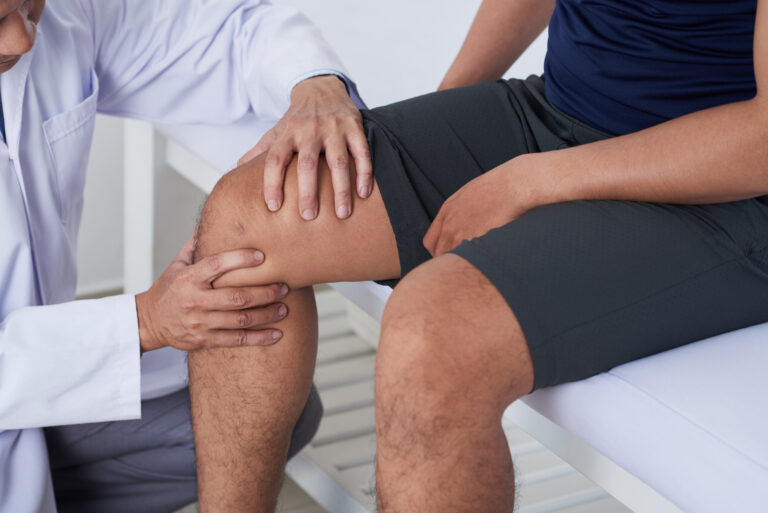
If joint inflammation has persisted for several weeks, is limiting daily activities, or is worsening over time, it’s important to consult a healthcare professional.
Getting checked early can help determine whether osteoarthritis or ongoing joint irritation may be contributing to symptoms. It can also open up a wider range of options to help manage pain, movement, and joint health.
Understanding what’s driving joint pain, rather than simply accepting it, is a critical step toward maintaining mobility, independence, and quality of life.